← volver← back Toni Díaz Plaza — TheWorkingDead /

TheWorking­Dead

Juego 3D de sigilo en una oficina con zombis · Unity 6 (URP) · equipo de 6 · Fizh Studio, Florida Universitària · octubre 2025 – febrero 2026 3D office stealth game with zombies · Unity 6 (URP) · team of 6 · Fizh Studio, Florida Universitària · October 2025 – February 2026

Dirección de arteAnimaciónGameplay programmerGame designTechnical artist
Art directionAnimationGameplay programmingGame designTechnical art
cinemática de inicio · animación cutoutintro cinematic · cutout animation

TheWorkingDead es un juego de sigilo y gestión en el que controlas a Greg, un oficinista convertido en zombi que debe completar su jornada sin que su jefe, Peralta, lo descubra.

Lo desarrollamos en cinco meses como proyecto académico. Fui el director de arte y mi trabajo combinó animación, programación de gameplay y technical art: la IA del enemigo, el sistema de tareas, el tutorial, los NPCs, la iluminación, los shaders, la animación de los personajes y la de las cinemáticas. También generaba los builds e integraba el trabajo del equipo en cada entrega.

TheWorkingDead is a stealth and management game where you play Greg, an office worker turned zombie who has to get through his workday without his boss, Peralta, finding out.

We built it in five months as an academic project. I was the art director, and my work combined animation, gameplay programming and technical art: enemy AI, the task system, the tutorial, NPCs, lighting, shaders, character animation and the cinematics. I also handled builds and integrated the team's work for each milestone.

Cinemáticas

Cinematics

papel 2D dentro de un mundo 3D2D paper inside a 3D world

Las cinemáticas de inicio y de victoria usan una técnica cutout: personajes de papel animados dentro del entorno 3D. Me encargué de la animación, la dirección de arte y las pruebas de texturas.

Proceso: dibujé un storyboard de 16 planos con notas de cámara y lista de sonidos, monté una animática en gris para cerrar ritmo y encuadres, y animé la versión final en Blender.

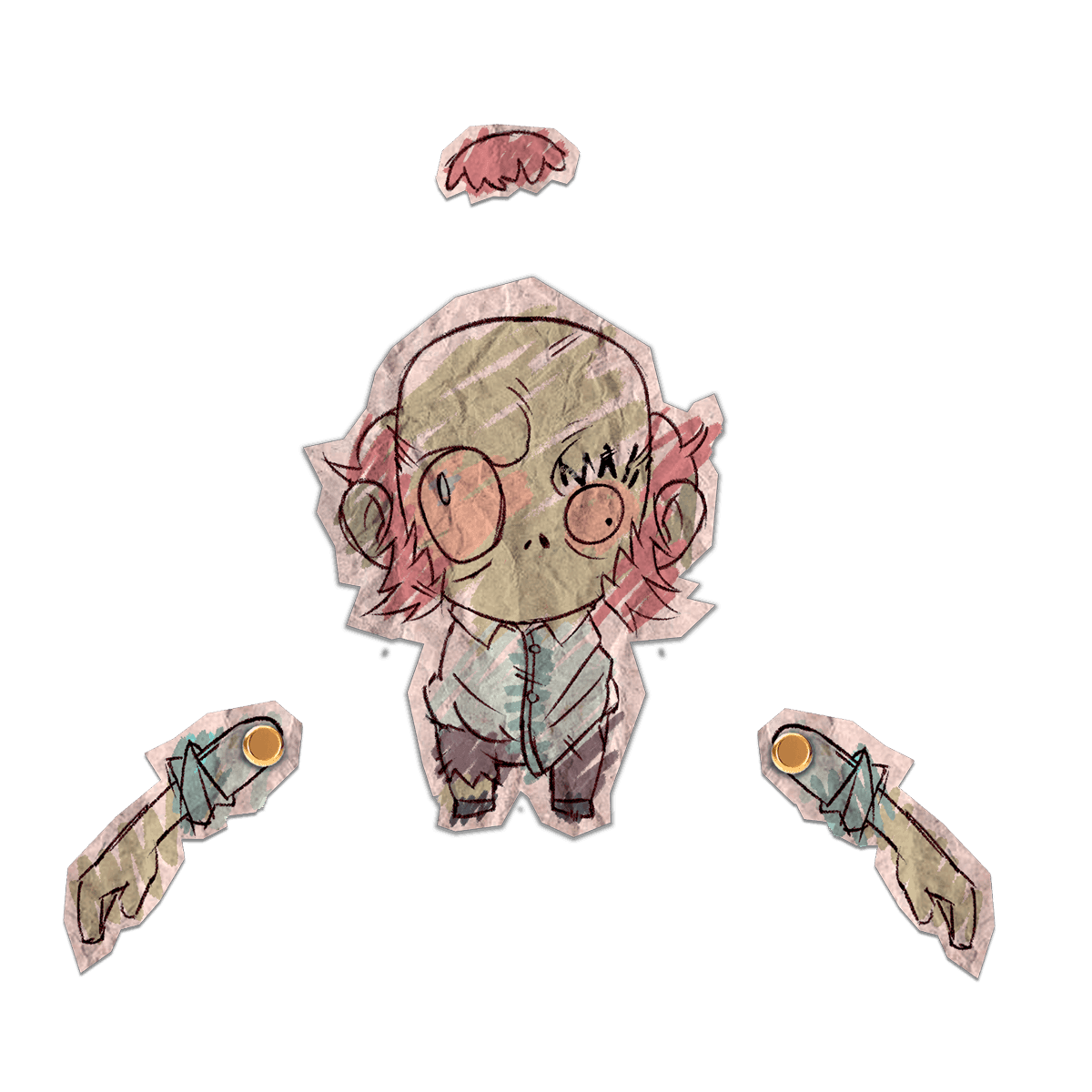
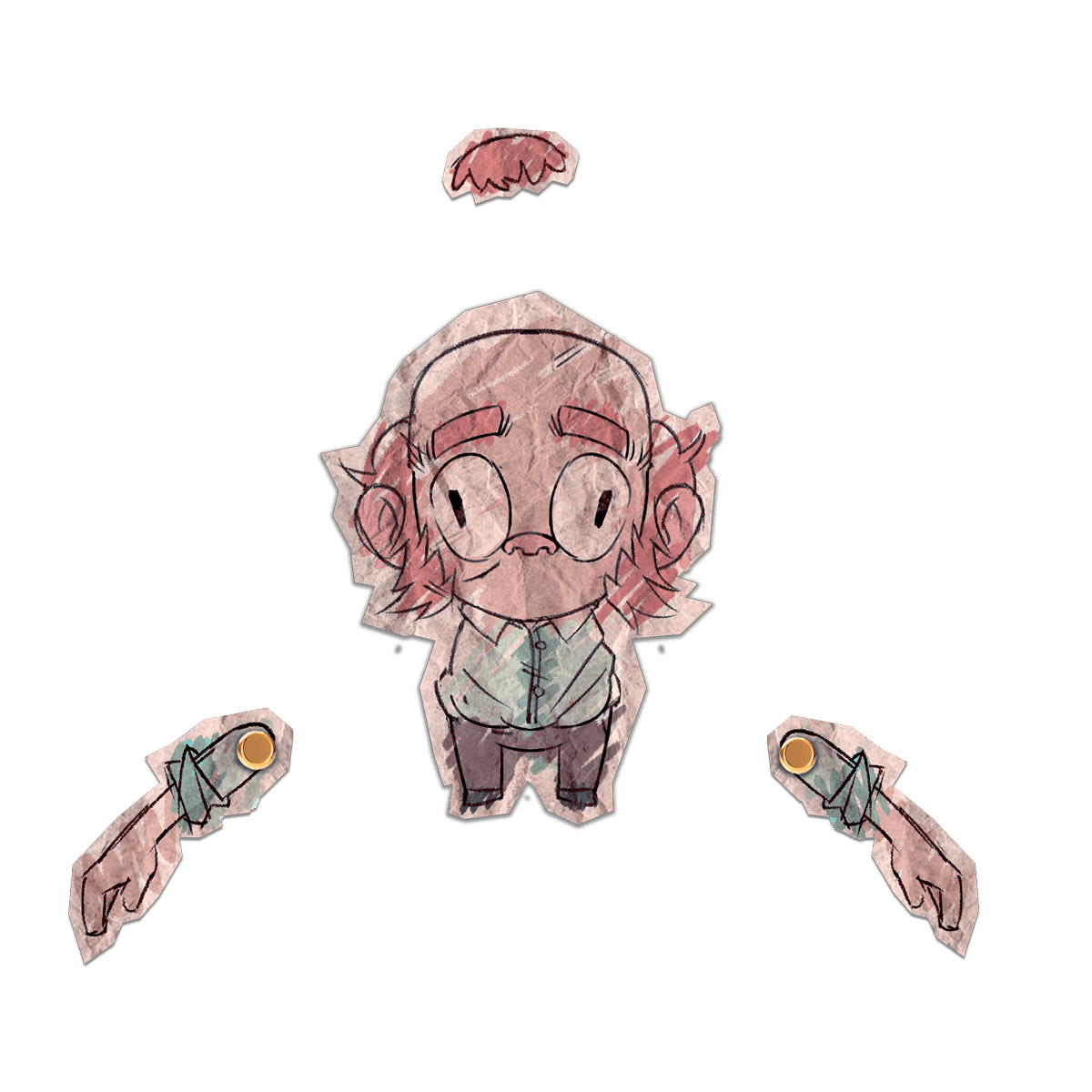
  • Greg está recortado por piezas con textura de papel y chinchetas en las articulaciones, en versión humana y zombi, con vistas frontal, trasera y lateral.
  • Rig de huesos para el cuerpo, el bigote y los brazos.
  • Shader en Blender que cambia entre vistas del sprite sin cambiar de objeto.
  • El arte 2D convertido en atlas, para cambiar la textura de todo el cuerpo con un único parámetro.

Arte 2D de Francisco Rodríguez · assets 3D, logos animados y montaje de Sara López · sonido de Raquel Garcerán.

The intro and victory cinematics use a cutout technique: paper characters animated inside the 3D environment. I handled animation, art direction and texture tests.

Process: I drew a 16-shot storyboard with camera notes and a sound list, cut a greyscale animatic to lock timing and framing, and animated the final version in Blender.

  • Greg is cut into pieces with a paper texture and pins at the joints, in human and zombie versions with front, back and side views.
  • Bone rig for the body, moustache and arms.
  • A Blender shader that switches sprite views without swapping objects.
  • 2D art packed into atlases, so the whole body's texture changes with one parameter.

2D art by Francisco Rodríguez · 3D assets, animated logos and editing by Sara López · sound by Raquel Garcerán.
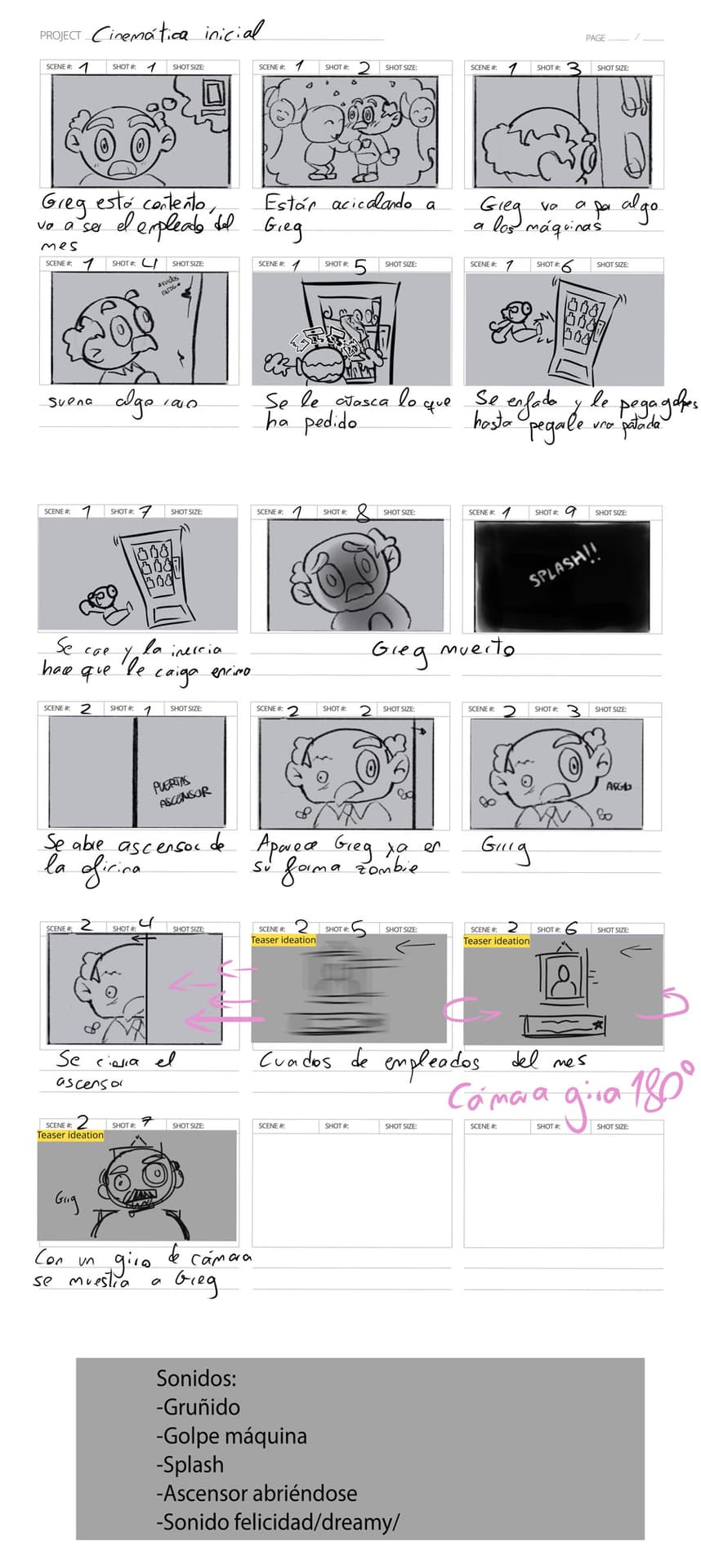
Storyboard de la cinemática de inicio
1 · storyboard de 16 planos1 · 16-shot storyboard
2 · animática2 · animatic
3 · final3 · final
Atlas de Greg humano
atlas · Greg humanoatlas · human Greg
Atlas de Greg zombi
atlas · Greg zombiatlas · zombie Greg
cinemática de victoriavictory cinematic
rig de la cinemática en Blenderthe cinematic rig in Blender

Animación 3D

3D animation

Blender → Unity

Animé en Blender los ciclos del protagonista, del enemigo y de los NPCs, y los exporté a Unity:

  • Greg: idle, caminar, correr y una animación en la que se le cae el brazo.
  • Peralta: idle y caminar, con una postura más rígida y amenazante que la de Greg.
  • NPCs: variaciones de idle sentado, la patada a la máquina y las animaciones del arcade.

I animated the player, enemy and NPC cycles in Blender and exported them to Unity:

  • Greg: idle, walk, run and an animation where his arm falls off.
  • Peralta: idle and walk, with a stiffer, more threatening posture than Greg's.
  • NPCs: seated idle variations, the vending-machine kick and the arcade animations.
Greg · idle / walk
Peralta · idle / walk
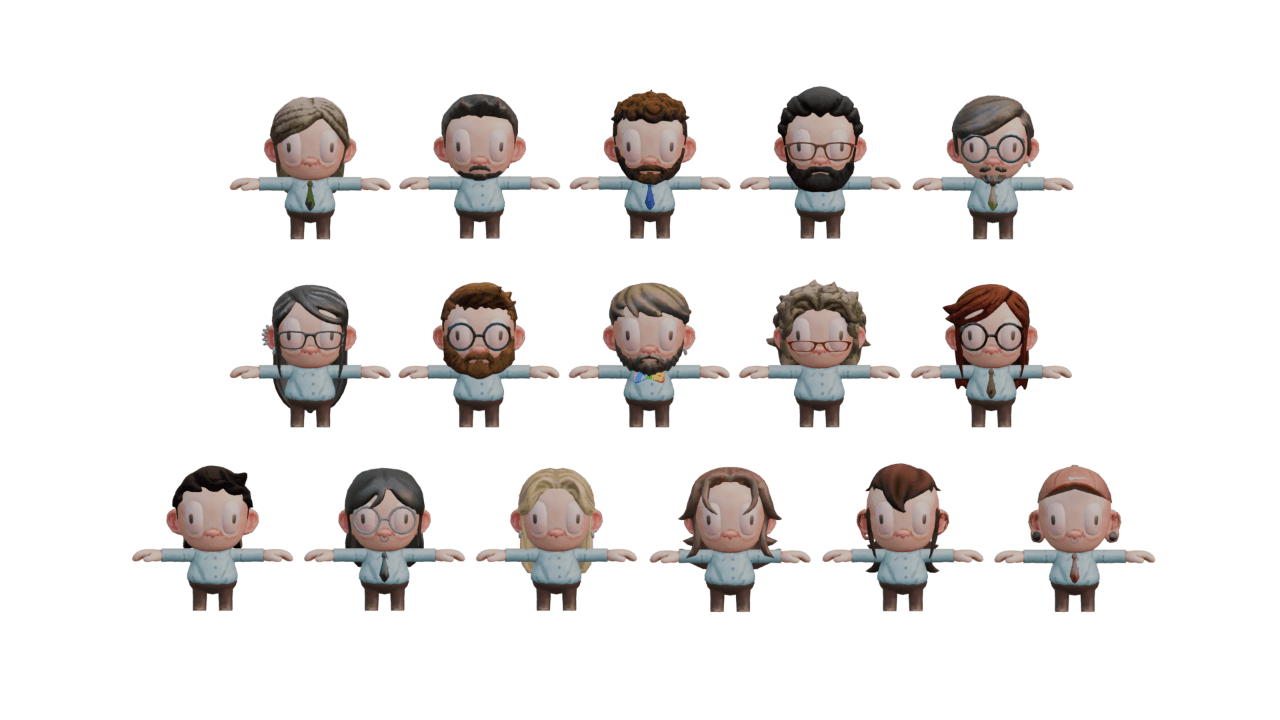
Los 16 NPCs en pose T
los 16 NPCs de la oficinathe 16 office NPCs

IA del enemigo

Enemy AI

patrulla · persecución · detecciónpatrol · chase · caught

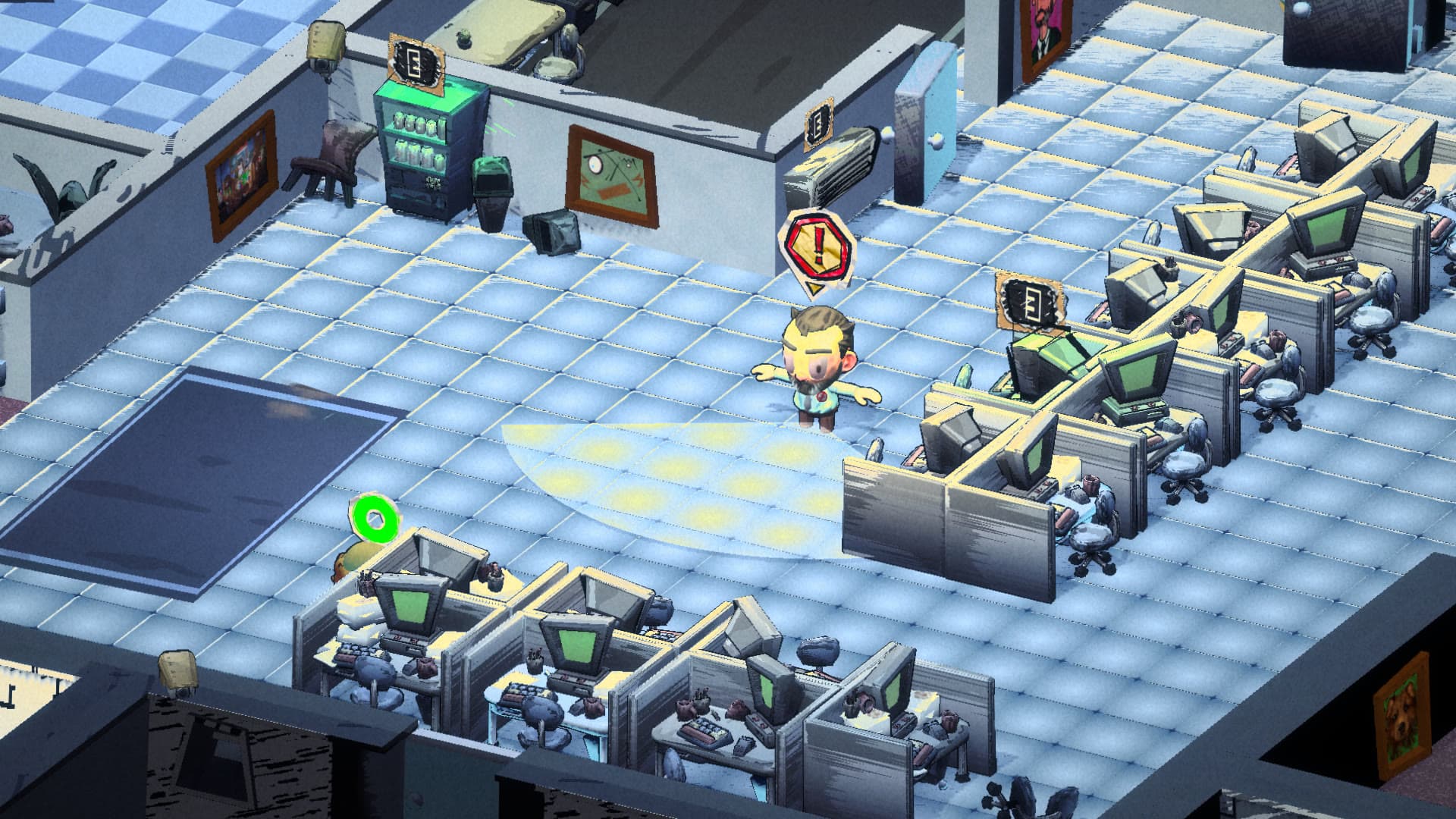
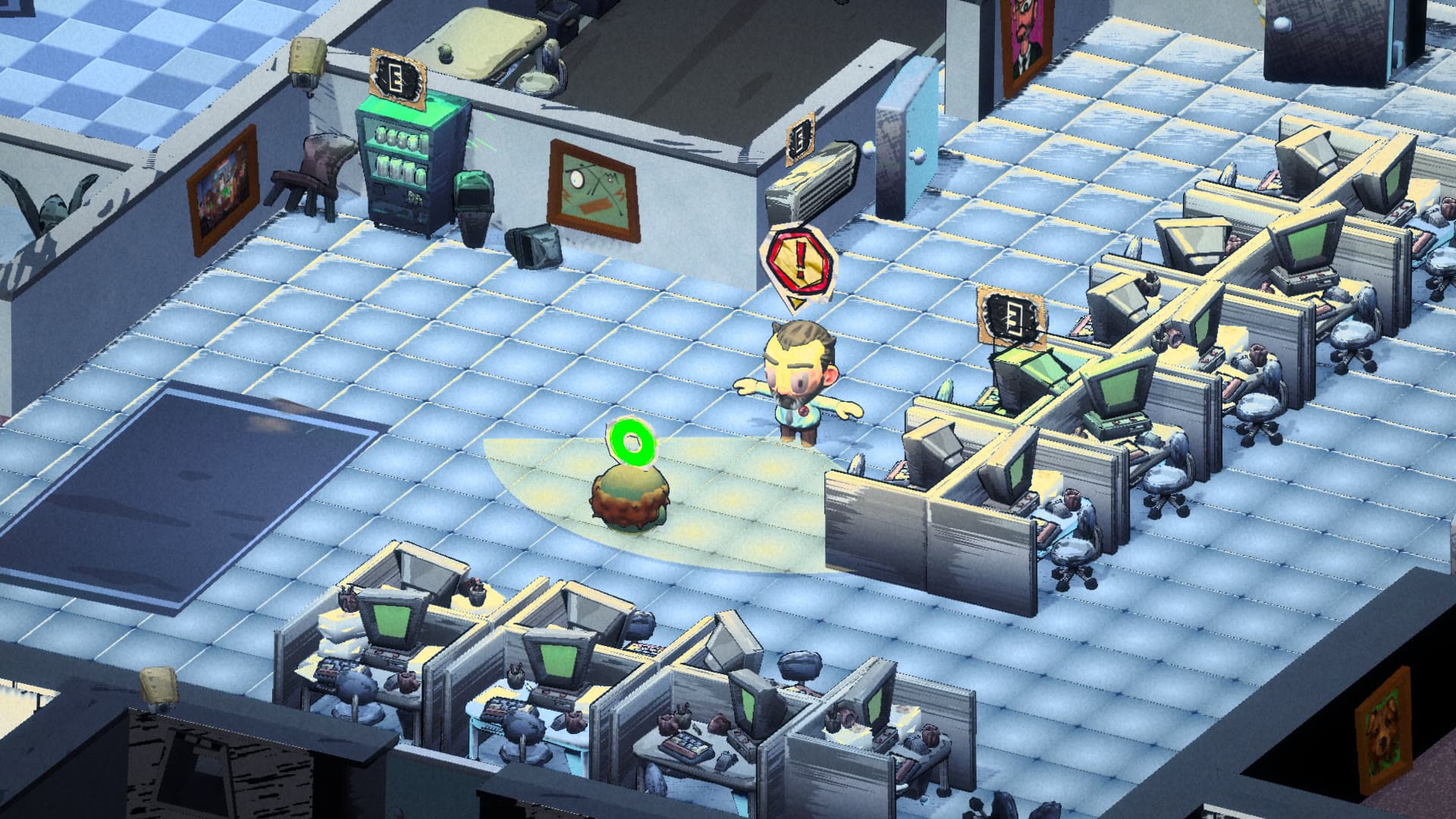
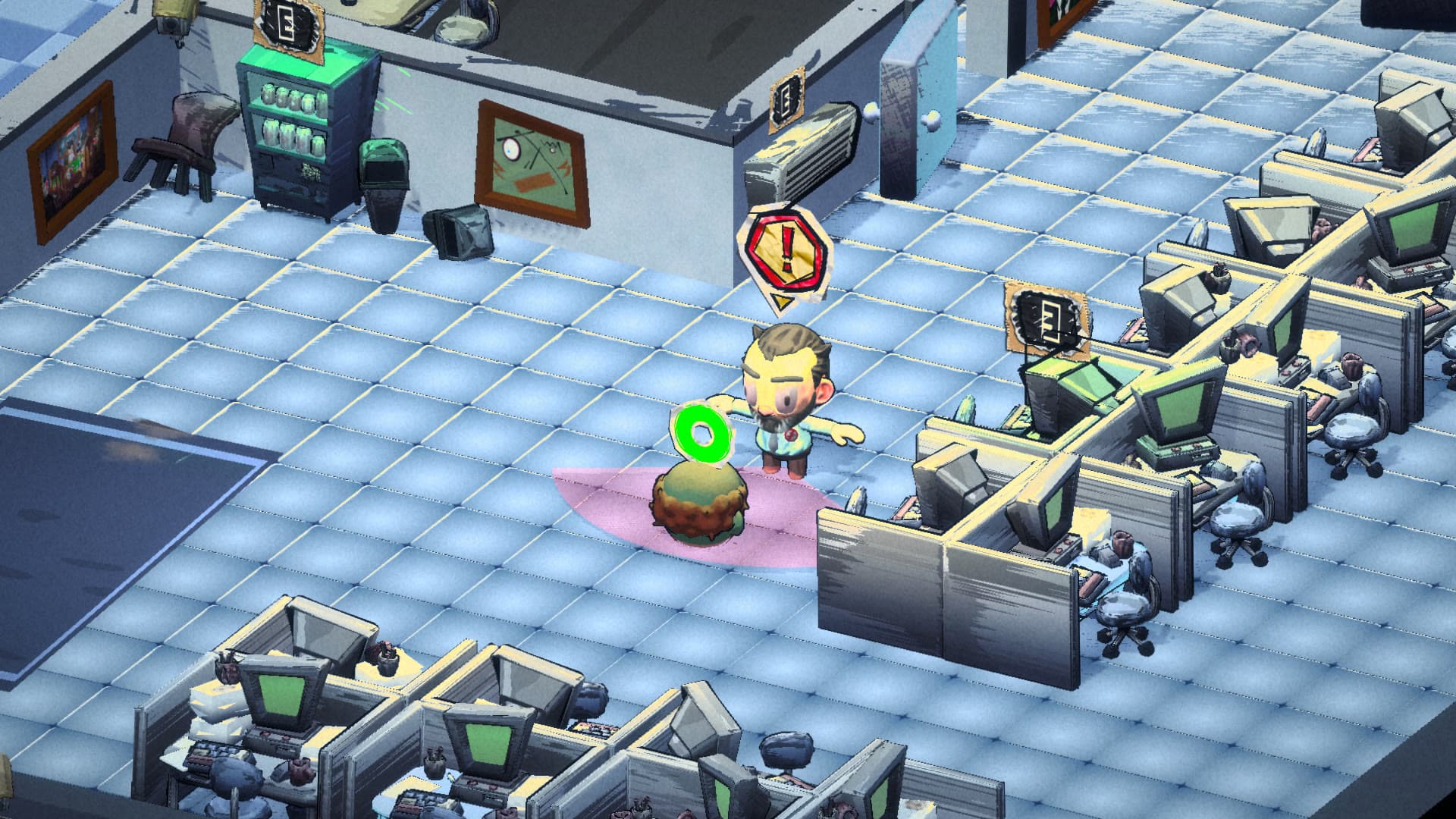
Peralta patrulla con un NavMeshAgent, por puntos de ruta o destinos aleatorios. La detección se calcula cada 0,5 segundos y combina distancia, ángulo de visión y un raycast contra obstáculos, así que paredes y mobiliario bloquean la vista.

El campo de visión es una malla generada en tiempo real que cambia de color y alcance según el estado:

  • Patrulla: recorre el nivel.
  • Persecución: el jugador entra en su rango; aparece una alerta y lo sigue.
  • Detección: el jugador está demasiado cerca; se llena una barra de sospecha y, si se completa, la partida termina.

La idea era que el jugador entendiera siempre por qué le habían visto.

Peralta patrols with a NavMeshAgent, following waypoints or random destinations. Detection runs every 0.5 seconds and combines distance, view angle and a raycast against obstacles, so walls and furniture block line of sight.

The field of view is a runtime-generated mesh that changes colour and range with the state:

  • Patrol: walks the level.
  • Chase: the player enters its range; an alert appears and it follows.
  • Caught: the player is too close; a suspicion bar fills and, if it completes, the game is over.

The goal was for players to always understand why they had been spotted.

EnemyAiBase.cs
float angle = Vector3.Angle(transform.forward, dir);
if (angle > viewAngle * 0.5f) return false;

// raycast only against obstacles + player
if (Physics.Raycast(origin, dir, out RaycastHit hit, sightRange,
    obstacleMask | targetLayer))
{
    if (hit.collider.transform == target ||
        hit.collider.transform.IsChildOf(target))
        return true;
}
return false;
el cono cambia con cada estadothe cone changes with each state
patrullapatrol
persecuciónchase
¡pillado!caught!

Sistema de tareas

Task system

una base, muchos minijuegosone base, many minigames
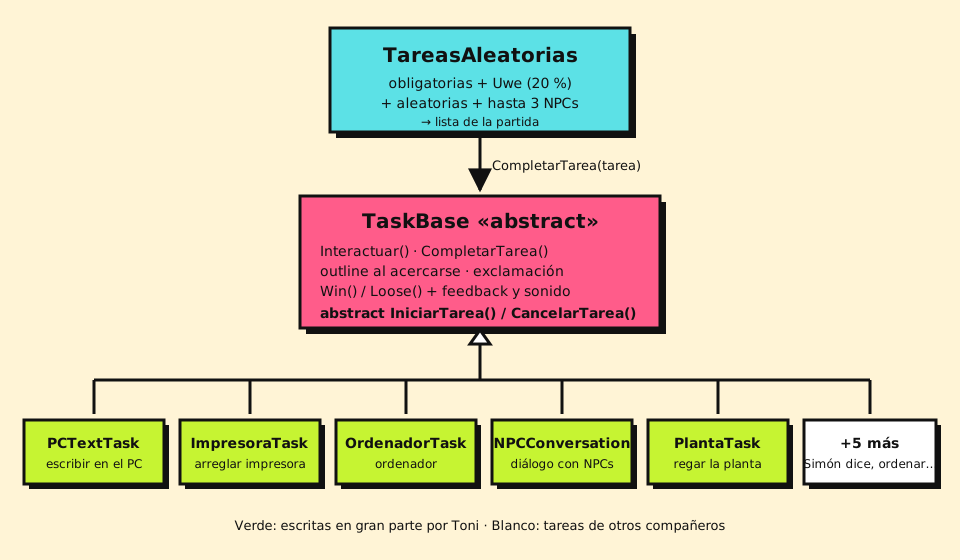
  • TaskBase es una clase abstracta con la lógica común: detección del jugador, outline al acercarse, indicador de tarea, bloqueo del movimiento, victoria o derrota con su feedback y comunicación con el gestor.
  • Cada minijuego solo implementa IniciarTarea() y CancelarTarea().
  • TareasAleatorias genera la lista de cada partida: tareas obligatorias, una especial con un 20 % de probabilidad, aleatorias y hasta tres conversaciones con NPCs.

Programé las tareas del PC, la impresora, el ordenador, la planta, el aire acondicionado y las conversaciones. El resto del equipo usó la misma base para sus minijuegos.

  • TaskBase is an abstract class with the shared logic: player detection, outline on approach, task indicator, movement lock, win/lose feedback and communication with the manager.
  • Each minigame only implements IniciarTarea() (start) and CancelarTarea() (cancel).
  • TareasAleatorias builds each run's list: mandatory tasks, a special one with a 20% chance, random ones and up to three NPC conversations.

I programmed the PC, printer, computer, plant and air-conditioning tasks and the conversations. The rest of the team used the same base for their minigames.

Diagrama del sistema de tareas
cómo se reparten las tareashow tasks are dealt
aire acondicionadoair conditioning
ordenar papelessorting papers

Tutorial y NPCs

Tutorial & NPCs

  • Tutorial: controlador propio, diálogos guiados y un acompañante (Bzz).
  • NPCs: generación aleatoria, NPCs sentados con variaciones de animación y conversaciones.
  • Sistemas: tienda y máquina expendedora, monedas, consumibles, pausa, indicador hacia el objetivo, saltar cinemáticas y pantallas de victoria y derrota.
  • Detalles: parpadeo, luces intermitentes y detección de iluminación.
  • Tutorial: dedicated controller, guided dialogue and a companion (Bzz).
  • NPCs: random spawning, seated NPCs with animation variations, and conversations.
  • Systems: shop and vending machine, coins, consumables, pause, objective indicator, skippable cinematics and win/lose screens.
  • Details: blinking, flickering lights and light detection.
gameplay

Dirección visual

Visual direction

arrastra para comparar ↔drag to compare ↔

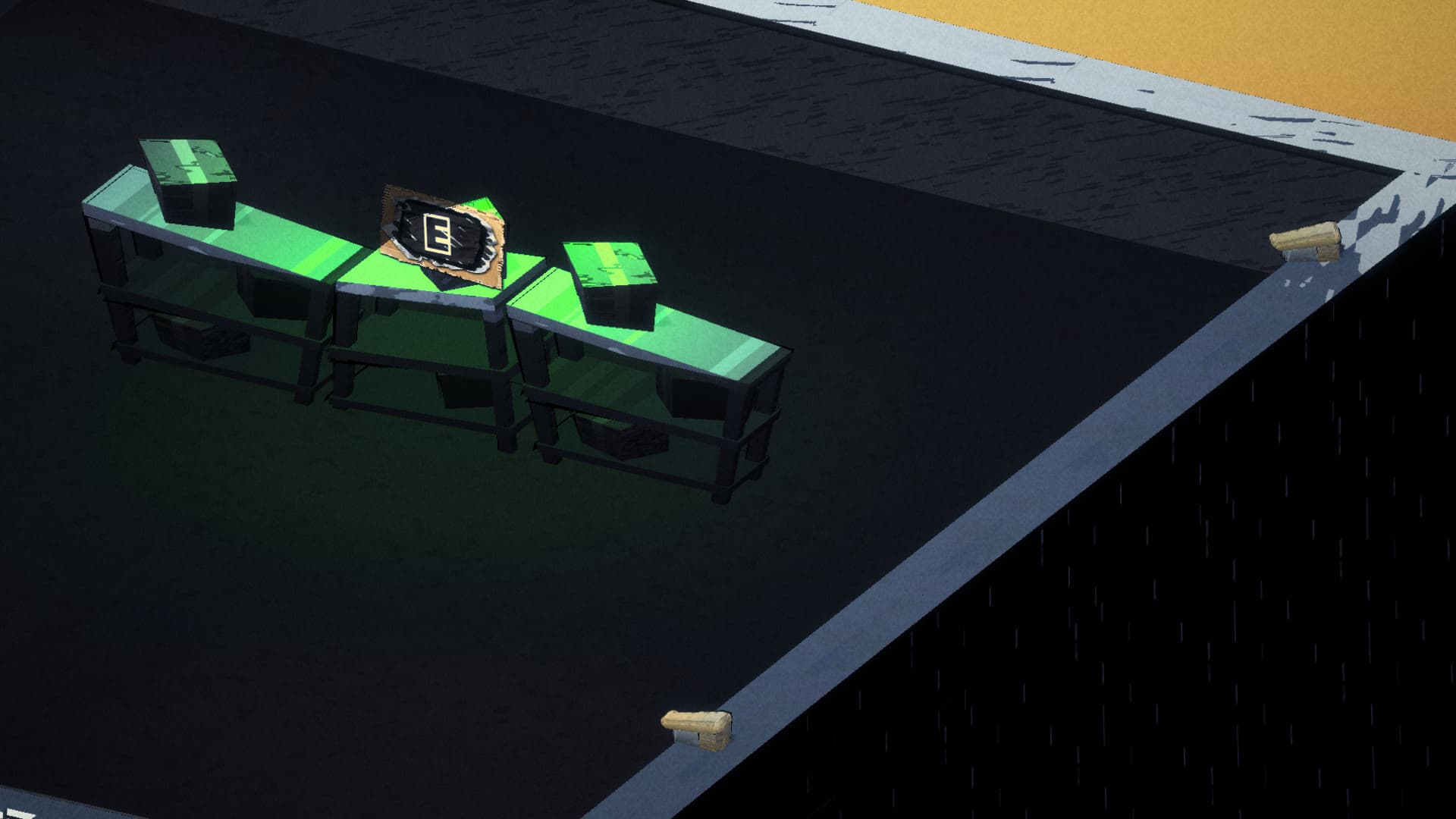
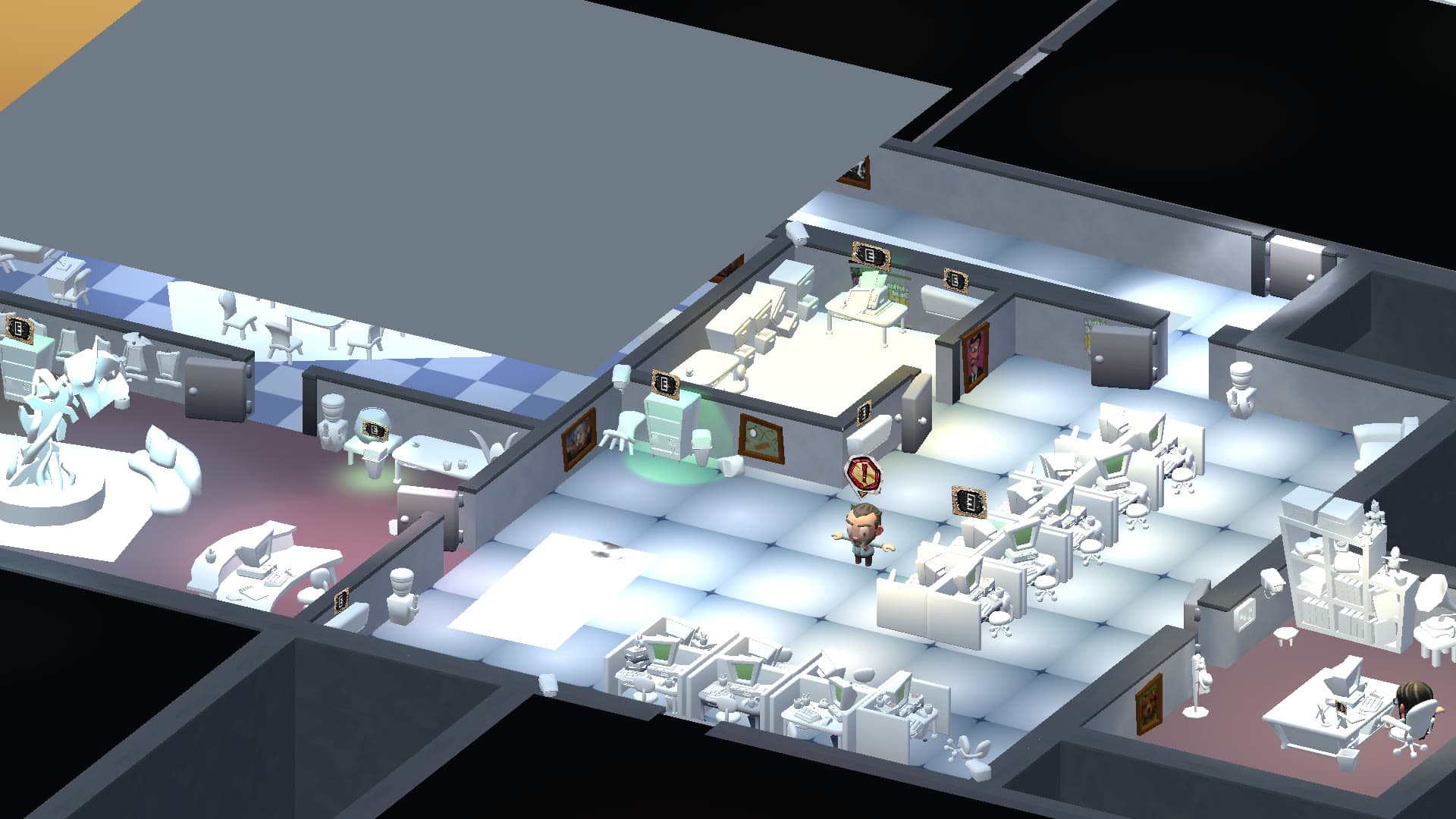
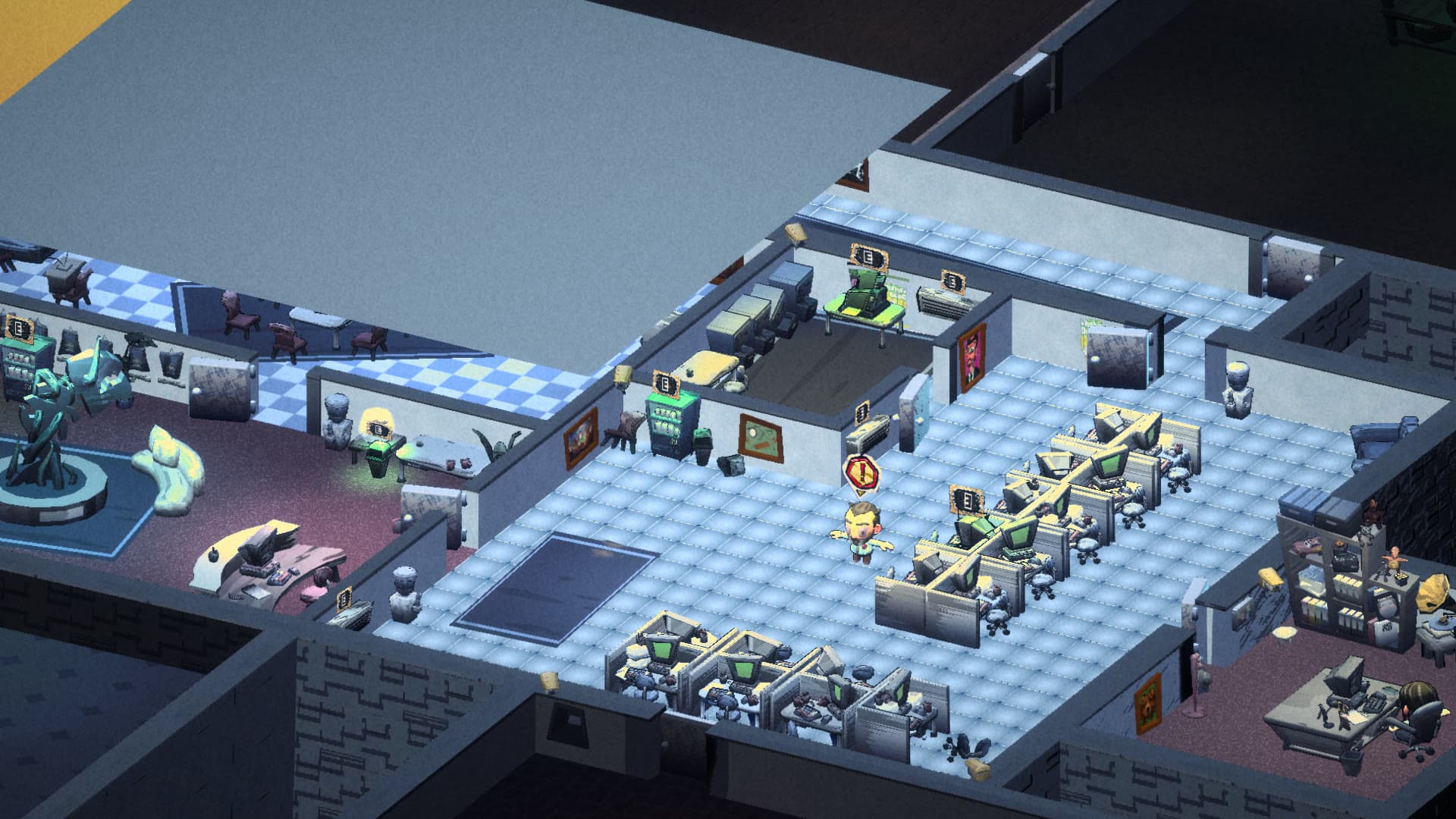
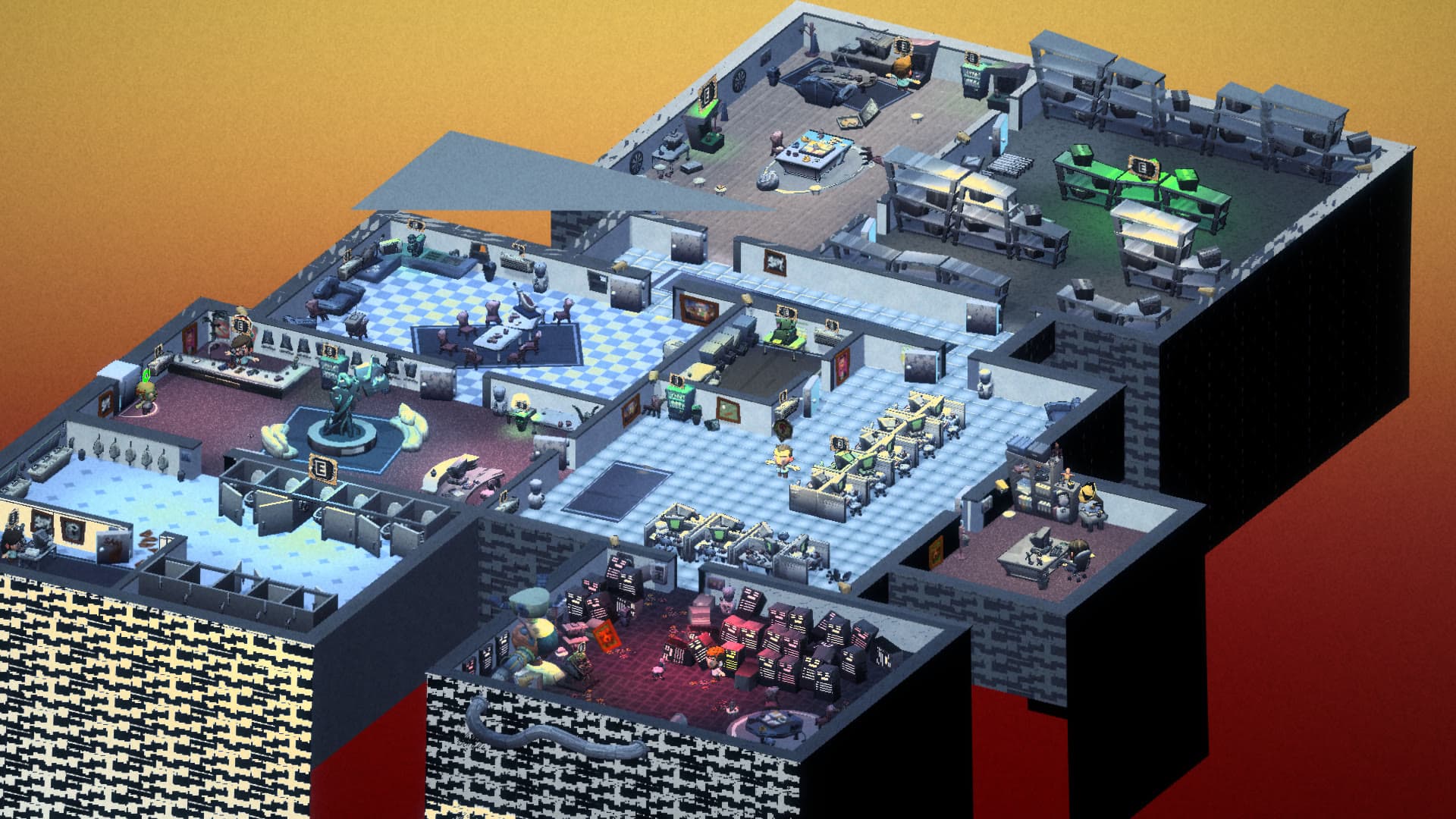
Como director de arte definí un estilo que combina sombreado toon, acabado pictórico y contorno de boceto, para encajar con el papel de las cinemáticas. Lo construí en tres capas:

  • Iluminación de cada nivel: pantallas, lámparas y zonas de color.
  • Shaders: adapté y configuré shaders de terceros (painterly, sketch outline y MK Toon).
  • Post-procesado: bloom, corrección de color y skybox en degradado.

Props: modelé y texturicé en Substance Painter la impresora y el ordenador, y unifiqué su color con un gradient map de acuarela.

As art director I defined a look that combines toon shading, a painterly finish and sketch outlines, to match the paper of the cinematics. I built it in three layers:

  • Lighting for each level: screens, lamps and colour zones.
  • Shaders: I adapted and configured third-party shaders (painterly, sketch outline and MK Toon).
  • Post-processing: bloom, colour grading and a gradient skybox.

Props: I modelled and textured the printer and computer in Substance Painter and matched their colour with a watercolour gradient map.

Oficina sin estilizar Oficina con el estilo final
antesbeforefinalfinal

Niveles

Levels

la oficina crece contigothe office grows with you

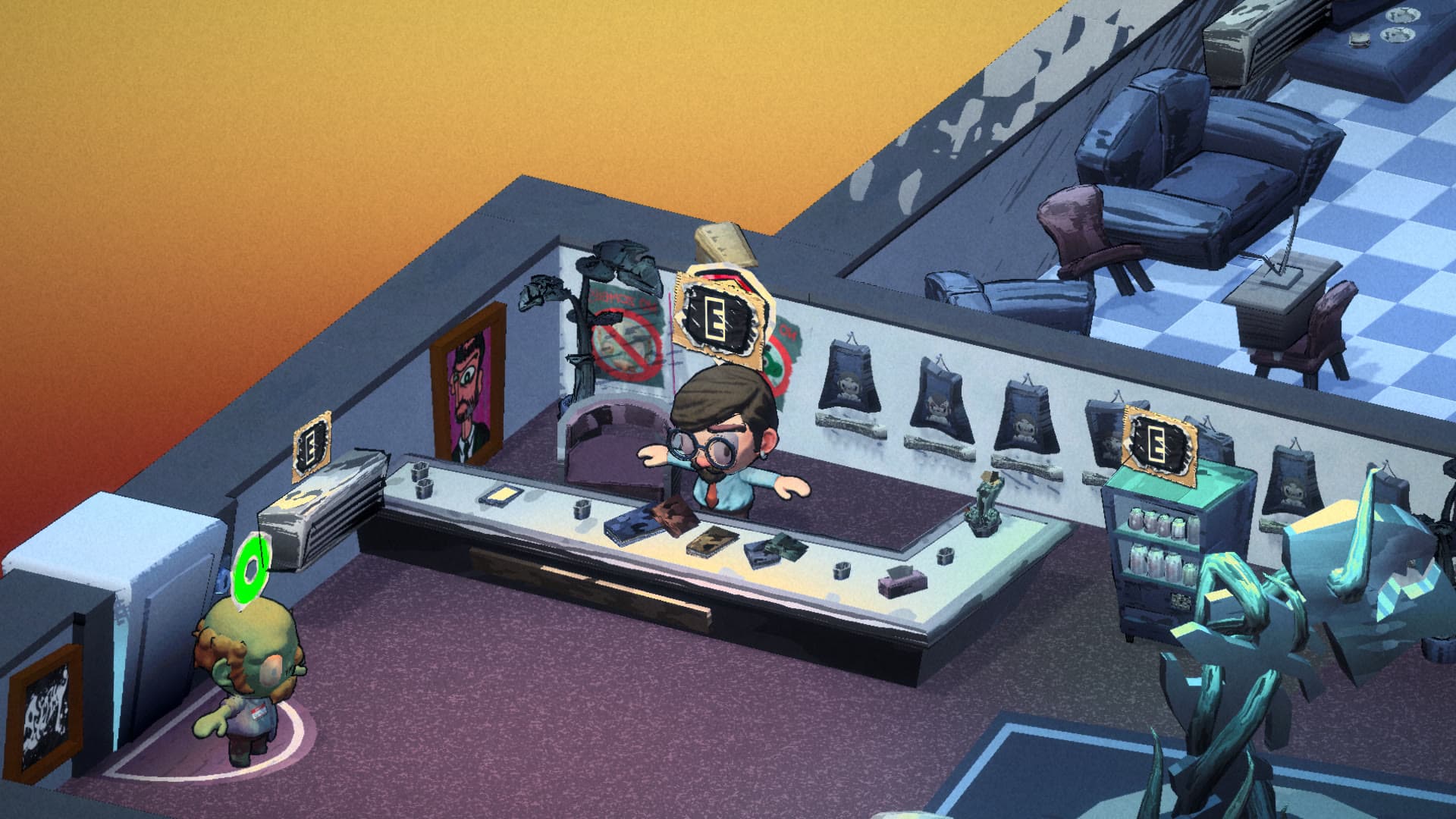
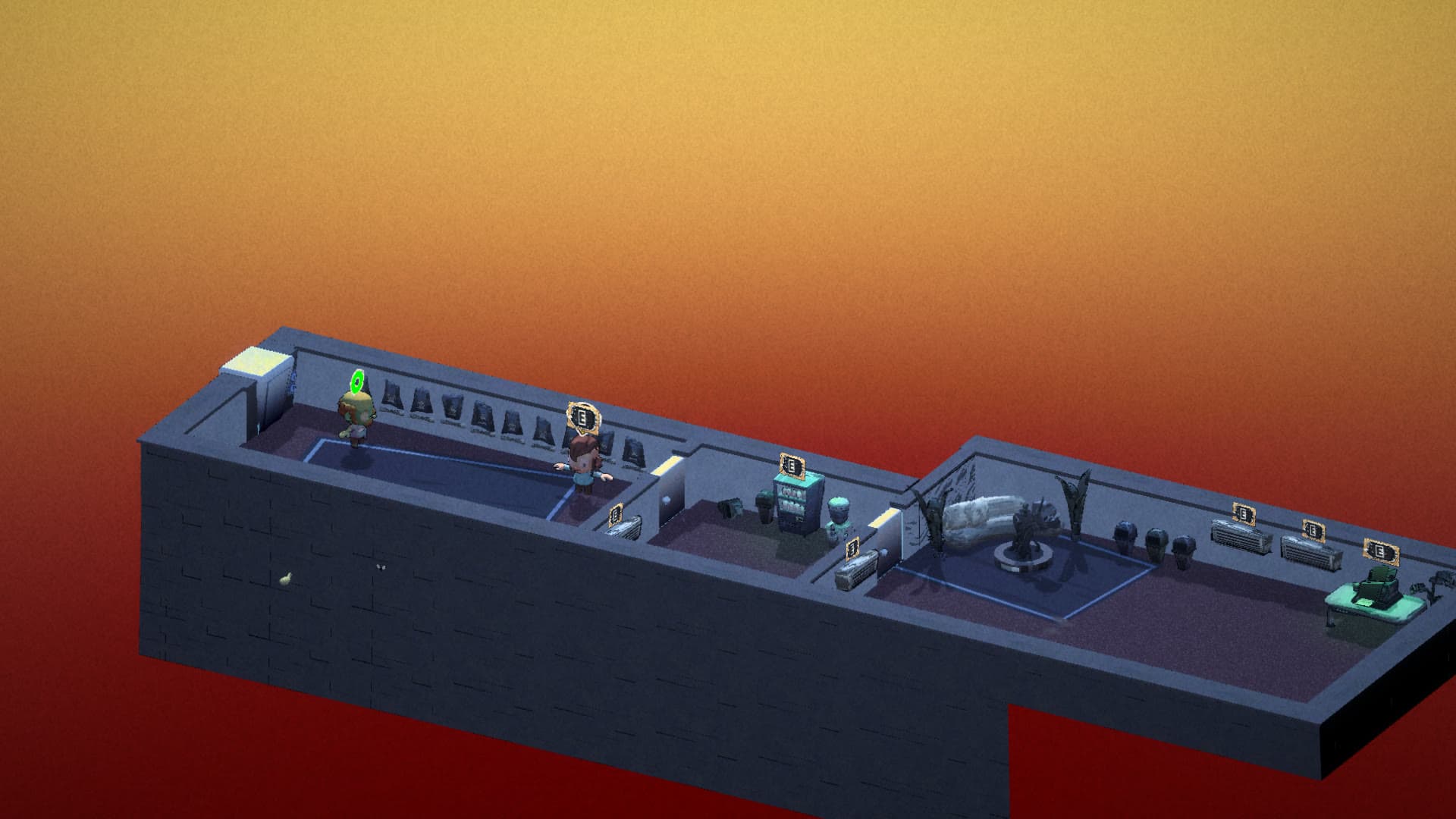
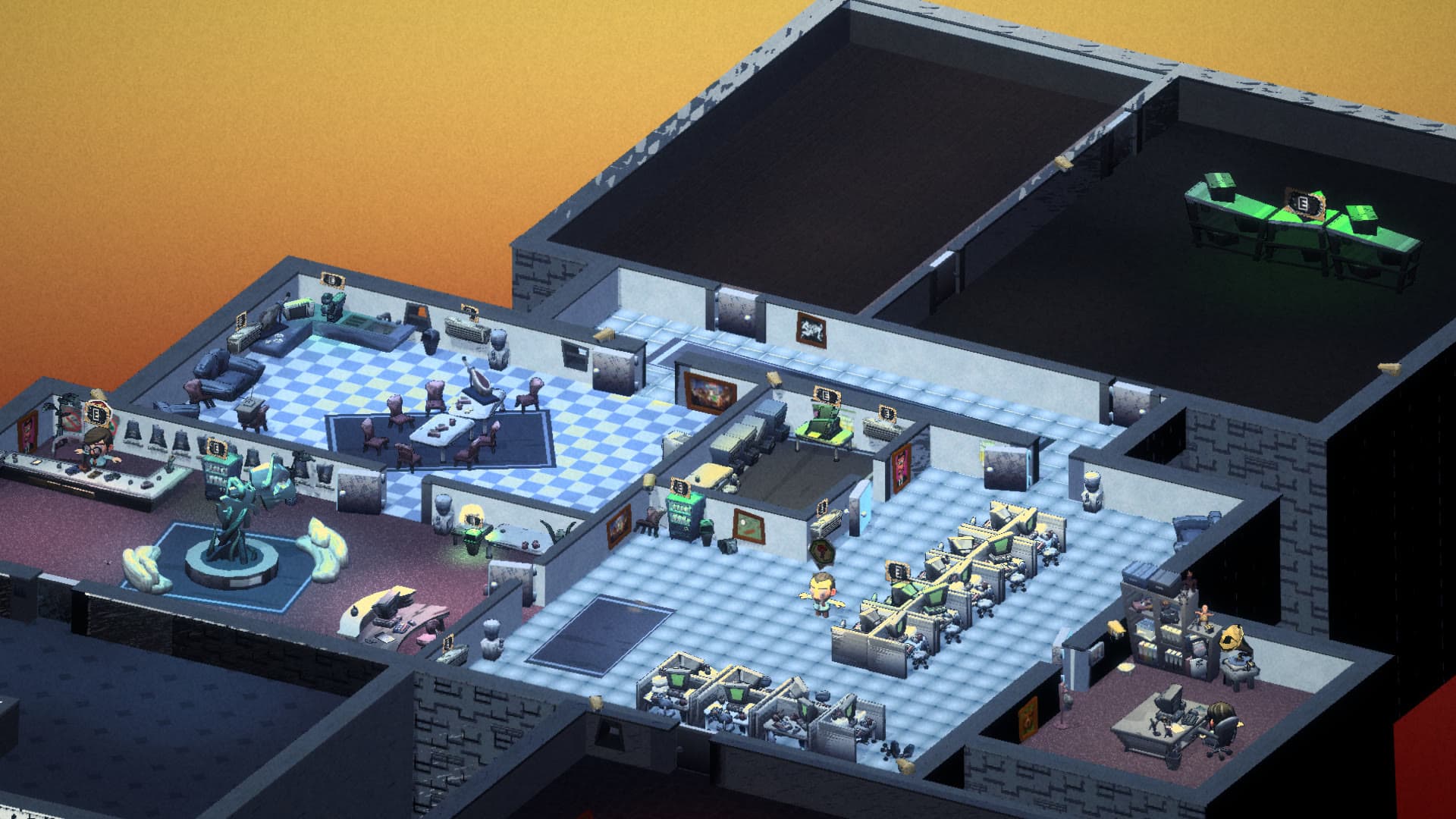
Monté el tutorial y los niveles 1 a 4, con su iluminación y decoración. La oficina crece a medida que avanza el juego: se abren zonas nuevas y aumentan las tareas. También redacté el documento de diseño de niveles, con la dificultad de cada tarea por nivel.

I built the tutorial and levels 1 to 4, with lighting and set dressing. The office grows as the game progresses, opening new areas and adding tasks. I also wrote the level design document, setting each task's difficulty per level.

tutorial
nivel 2level 2
nivel 4level 4

Equipo

Team

builds e integración en Git, también míosbuilds and Git integration, also mine
Toni Díaz Plazadirección de arte, animación, programación y game designart direction, animation, programming and game design
Santiago Marquésprogramador principallead programmer
Francisco Rodríguezcharacter y concept artistcharacter and concept artist
Sara Lópezartista 3D y VFX, programación3D and VFX artist, programming
Felix Rojasinterfaz y artista 3DUI and 3D artist
Raquel Garceránartista 3D3D artist

Unity 6 (URP) · C# · NavMesh · Cinemachine · Shader Graph · Blender · Substance Painter · Photoshop · Git / GitHub